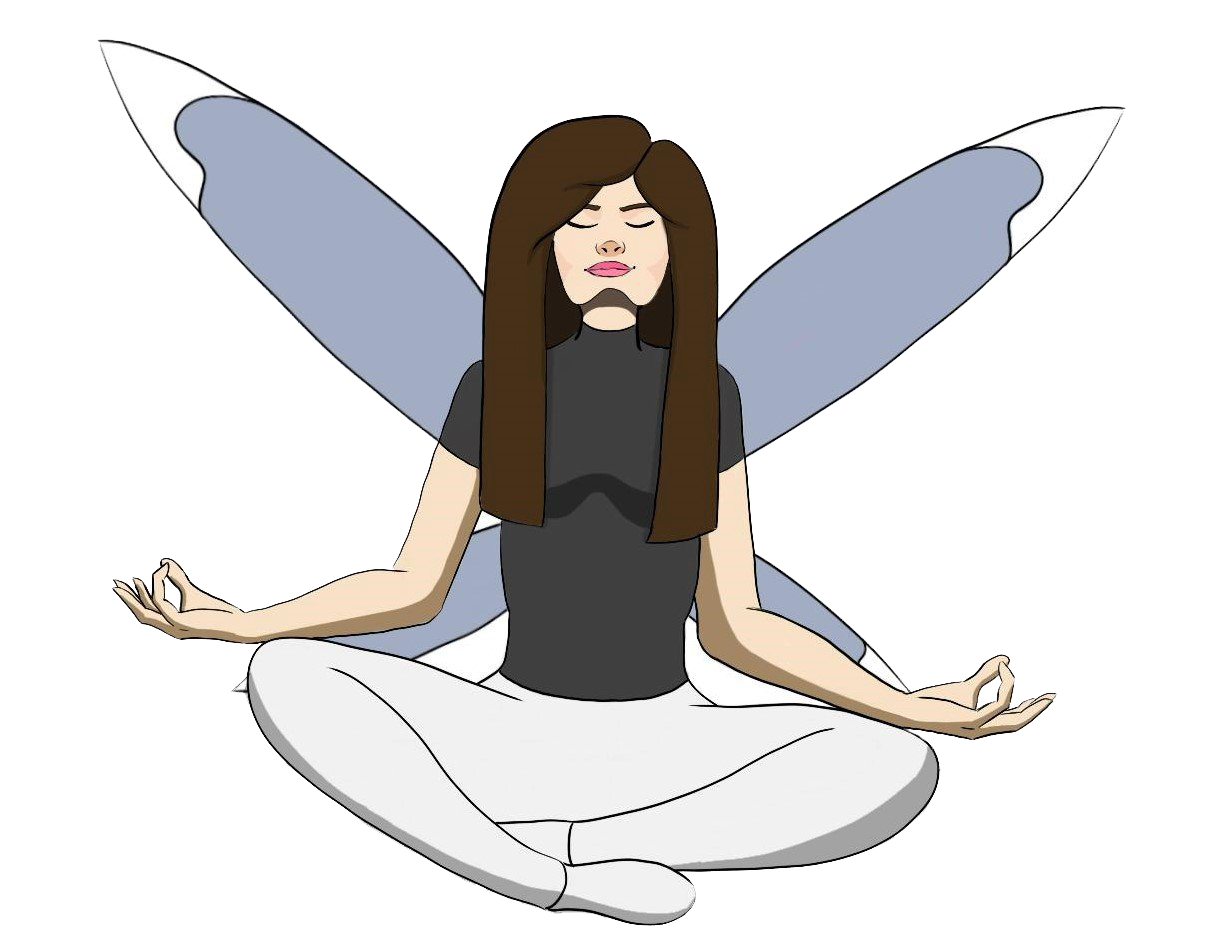
Meditating is fine, but which technique should you use?
Some say that there are as many methods of meditation as there are meditators.
To help you see things more clearly, in this article we offer you a brief, non-exhaustive overview of the most widespread forms of meditation.
Vipassana meditation
Considered the oldest Buddhist meditation technique, Vipassana meditation means "seeing things as they really are." It involves taking the phenomena that appear, physical or mental, as the object of meditation.
"Vipassana is a method of self-transformation through self-observation. It focuses on the deep interconnection between mind and body, which can be experienced directly through disciplined attention to the physical sensations that constitute the life of the body, and which are in constant interaction and condition the life of the mind…
It is this journey of self-exploration, based on observation, to reach the common root of mind and body, which dissolves mental impurities and results in a balanced mind full of love and compassion.
This method of meditation is mainly taught in the form of 10-day retreats, in silence with more than 10 hours of meditation per day.
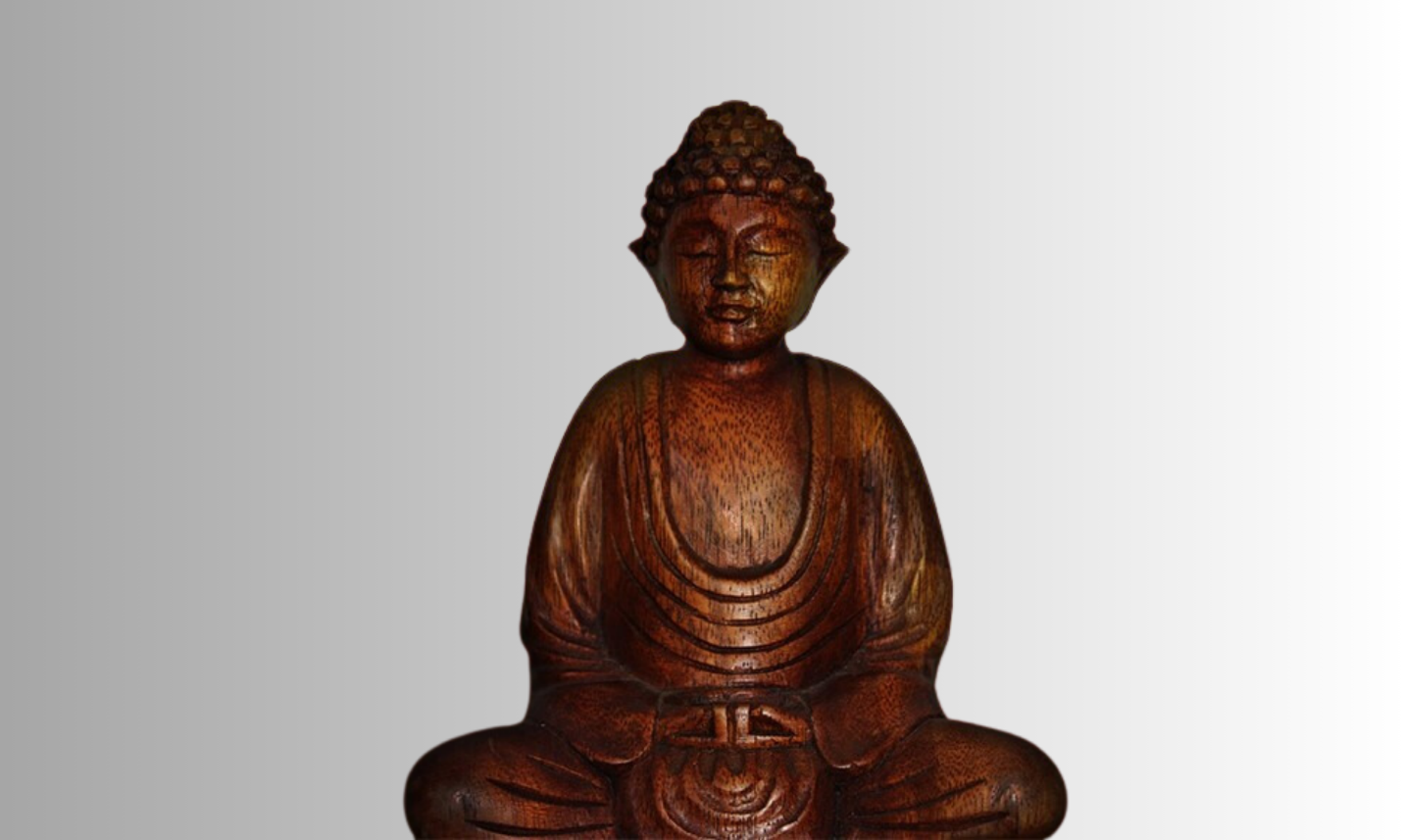
Meditation at the heart of Yoga
The very image of meditation is associated with the practice of yoga. If the main yoga classes in the West revolve around body exercises, static or dynamic through asanas, advanced practice inevitably leads the sincere practitioner towards sitting still. Rare are the classes that do not end with a few moments of meditation, on the yoga mat or with a zafu meditation cushion . But if time is not always available to deepen it, it is no less true that seated meditation is deeply anchored in the heart of traditional Yoga.
The "Yoga sūtra", a text codifying the 8 main stages of Yoga, places meditation at the very heart of this discipline to clearly name it at the 7th stage, just before the ultimate state of "inner Liberation".
Yamas : Rules for a Happy Life (Fundamental Right Attitudes)
Nyamas : recommendations for the relationship with oneself (rules of personal life).
Asana : attitude concerning the physical and mental (postures performed in classes).
Pranayama : the science of breath, of respiration.
Pratyara : inner sensory listening.
Dharana : The Power of Focused Attention.
Dhyana : meditation.
Samadhi : inner liberation, the state of unity.
Zen meditation (Zazen)
Zen dates back (again) to the experience of the Buddha who is said to have achieved enlightenment in the posture of Dhyana (7th stage of the "Yoga sūtra" (Zazen)), in India in the 6th century BC.
This experience of sitting on a meditation zafu has since been passed down from master to disciple. From India through China to Japan in the 13th century through the Japanese monk Dogen. In the 20th century Taisen Deshimaru came to France to bring the essence of this teaching to the West.
To practice zazen, one sits in the center or slightly on the front of a zafu (round and thick cushion), one stands up straight and one stretches the spine. Generally the zafu is placed on a zabuton for better comfort of the knees, ankles and malleoli.
Cross your legs in the lotus or half-lotus position so that your knees are firmly rooted in the ground. Push the sky with your head, push the earth with your knees. The left hand rests on the palm of the right hand, the thumbs join in the extension of each other by a slight pressure, and both hands are in contact with the abdomen. The chin is tucked in, the neck straightened, the nose vertical to the navel, the shoulders fall naturally. The mouth is closed, without tension, the tip of the tongue touches the palate behind the upper teeth. The eyes are half-closed, the gaze rests without fixing one meter in front of you. Breathing should be calm, long and deep.
Attention is paid to the exhalation which must exert, thanks to the work of the diaphragm, a downward thrust on the entire abdominal mass. The inspiration comes naturally, automatically, spontaneously. The belly must always remain free, relaxed and expanding.
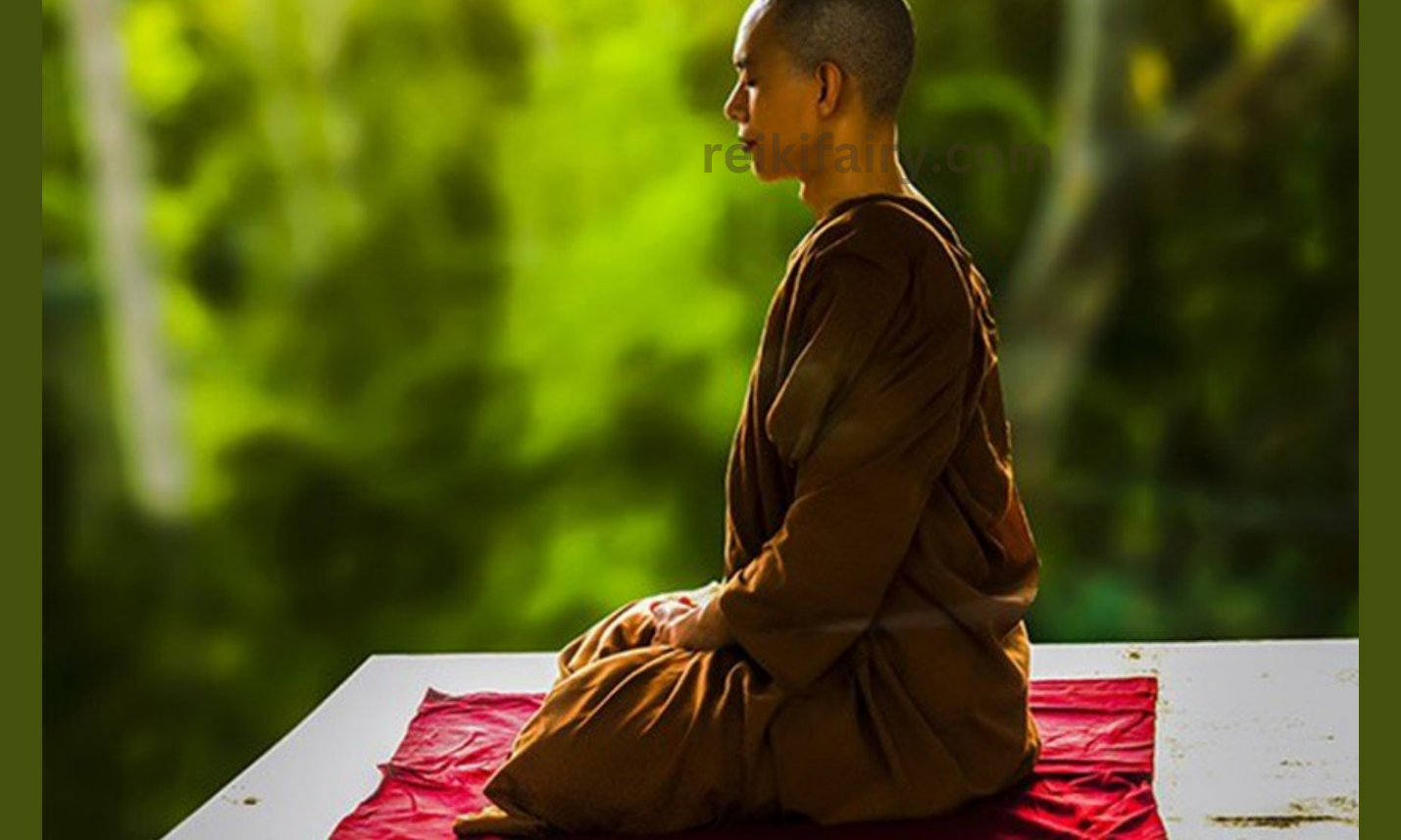
Mindfulness Meditation and MBSR
Mindfulness is an Indian concept that refers to "right attention" associated with the teachings of Buddha Siddhārtha Gautama .
It is about, starting from exercises inspired by traditional Buddhist meditation practices, training oneself to be and remain present whatever the situation (pleasant or unpleasant) with all the psychological and bodily phenomena that may arise. The practitioner must then offer himself benevolent attention and thus bring to the body and his mind a look, without censorship, without judgment. Constant attention to the body and breathing allows one to always refocus one's thoughts and thus avoid the wandering of the mind.
Although this practice is mainly carried out sitting on a chair or a Zafu or a Rondo (for less flexible people), it can also be practiced in all the acts of daily life, walking, eating, cooking, etc.
The emblematic figure of this method in France remains the psychiatrist and author Christophe André .
The term "full consciousness" or "Mindfulness" was taken up by Doctor Jon Kabat Zinn in its secular and therapeutic version. Established in the USA for more than 30 years in the medical fields, the MBSR program or "Stress Reduction through Mindfulness", is today in France a recognized practice taught by professionals.
In fact, this is a therapeutic program designed to treat people who are victims of stress. This method is very successful in many hospitals in the United States and is increasingly developing in Europe.
Transcendental Meditation
Transcendental meditation is a meditation technique aimed at developing consciousness. Of Indian origin, this technique was created and then simplified by Maharishi Mahesh Yogi in order to adapt it to Westerners. It is a mental relaxation technique (two sessions of about twenty minutes per day).
It is based in particular on the use of mantras (phrases or words repeated many times). This method has enjoyed great success throughout the world, particularly among Hollywood celebrities.
Guided meditation
During the various meditative practices that we have just seen, it is common for the teacher to intervene out loud, to guide the student during the meditation exercise. Many people feel the need to be accompanied at all times. A soft and warm voice thus guides the meditator by giving him instructions for attention, reassuring him in the face of a sometimes difficult look at himself.
The Internet has therefore put itself at the service of tradition by offering dedicated sites, mobile applications, podcasts, YouTube videos, etc., thus offering guided meditations to 21st century practitioners.
Now we can meditate anytime and anywhere, meditation 2.0 is on the way.
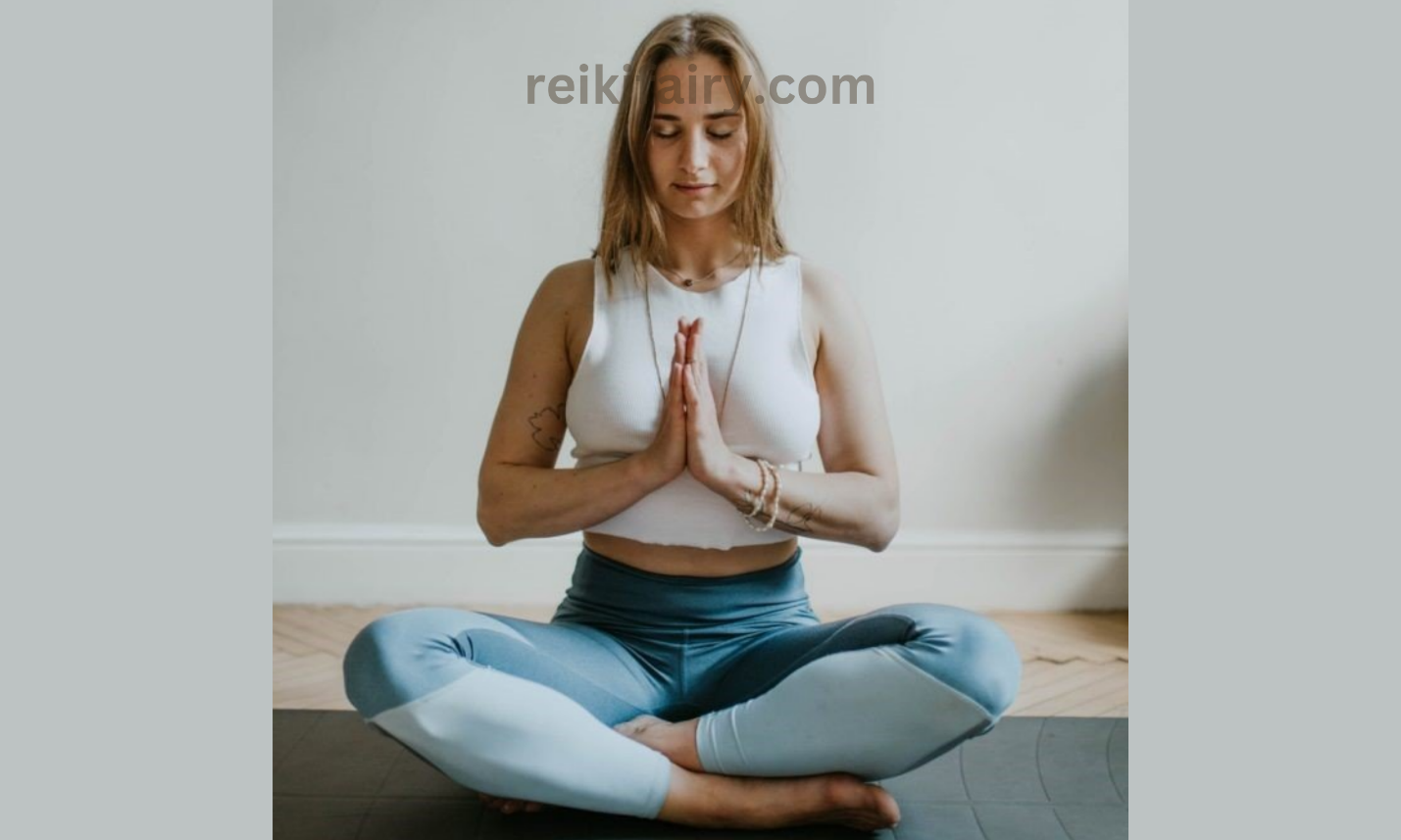
To finish …
In addition to those we have just presented to you, there are an infinite number of meditation methods throughout the world; inspired by traditions, religions, therapies, ancient or modern. All have in common to settle into stillness to be able to look at oneself, to seek inner peace, harmony with others and what surrounds us.
"The greatest traveler is not the one who has been around the world ten times,but he who has gone around himself once."